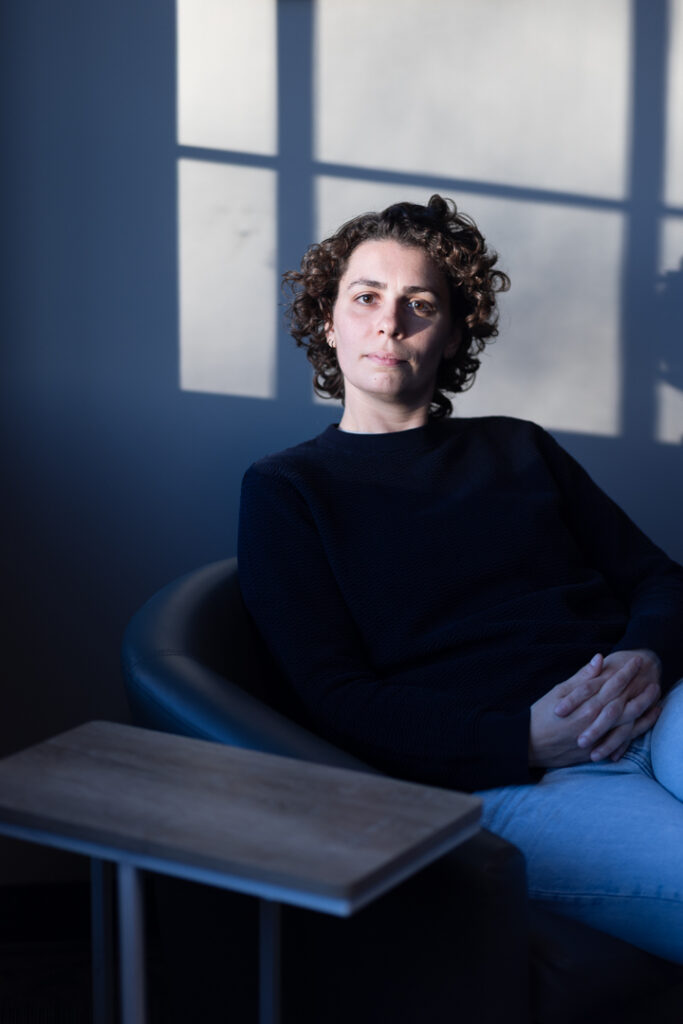
My mom was an educator in the New York City public school system. She’s been a teacher her whole life, and a good one. It’s in everything she does.
So maybe this was always written in the stars for me.
I grew up in NYC, went to college upstate, then moved back and worked as an executive assistant for a realtor—a job I found on Craigslist (if you can remember that). It paid the bills and offered me a lot of the independence I yearned for as a young adult.
But after a while, I knew I was ready for something more aligned to my core values, beliefs, and interests.
I had always been interested in architecture, so I took a summer course at Columbia University and started applying to grad schools. Around that same time, I went on a community development volunteer trip to the Dominican Republic. That experience shifted something in me.
For the first time, I saw that work could be hands-on, people-centered, and visibly impactful.
So I made a decision: if one path didn’t open, I’d go find another.
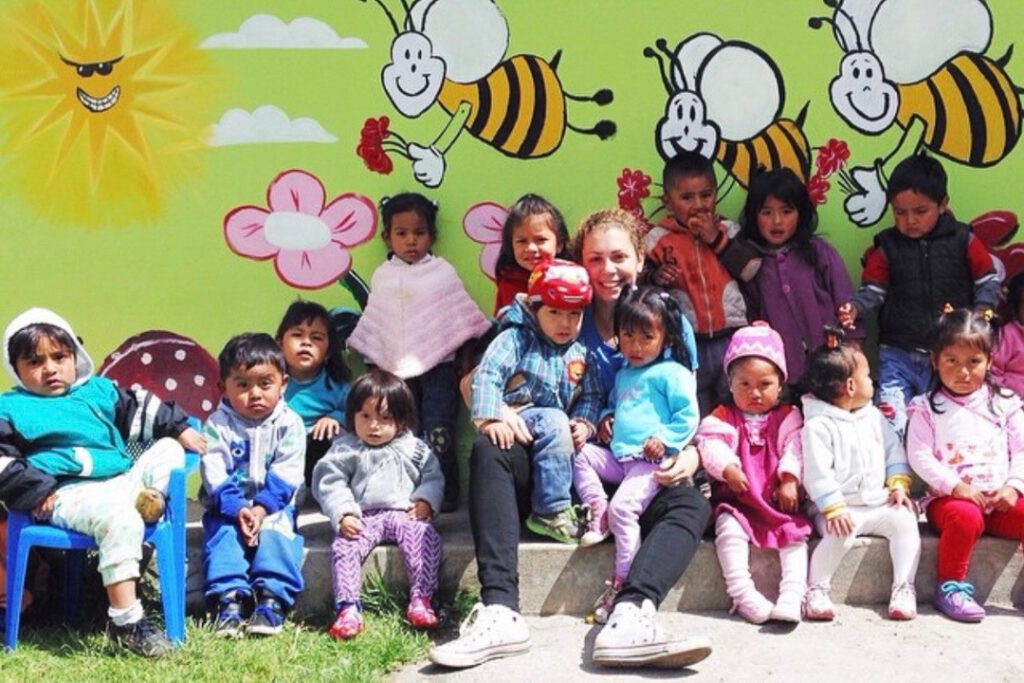
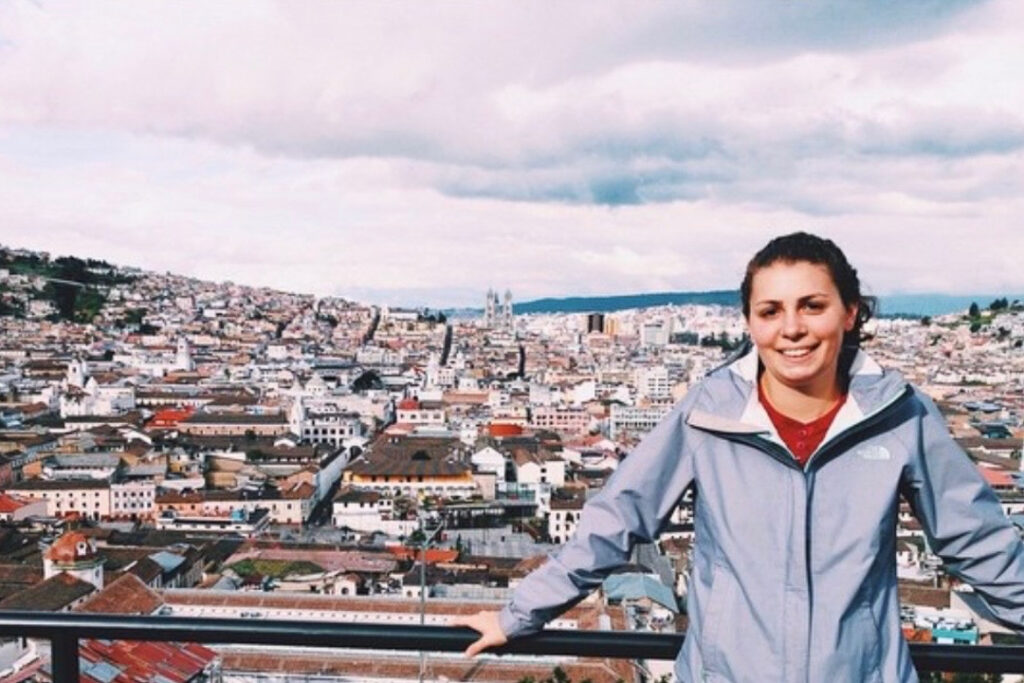
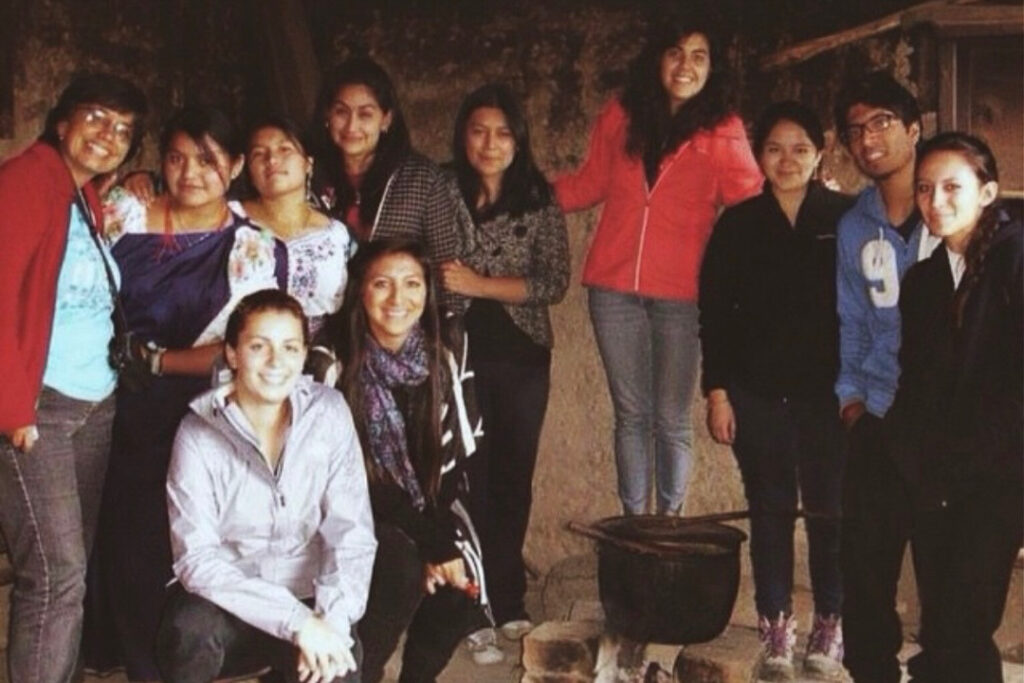
I moved to Ecuador to learn Spanish, so I would be more prepared and available for opportunities I was drawn to. I lived in Quito for five months, working at a daycare and taking language classes, and eventually spent another ten months in Argentina.
That time marked another shift in me. When you’re on your own in a new country, there’s no one to fall back on, and you have to rely on yourself. You learn who you are on a deeper level, and not always in ways you expect, or even want.
When I came back to New York, I realized I had outgrown the big city. I had been through a lot of life transitions in a short amount of time, but everything around me felt the same.
So I followed an opportunity to Indiana, where I interned with an environmental remediation company. At the time, I was still thinking about returning to South America, hoping to work alongside Indigenous communities in their efforts to maintain sovereignty in the face of industrialization and energy development.
But as has often been the case in my life, one path quietly led to another. Before long, I found myself working with a volunteer group at the Indiana Women’s Prison—an experience that would open an entirely new chapter.
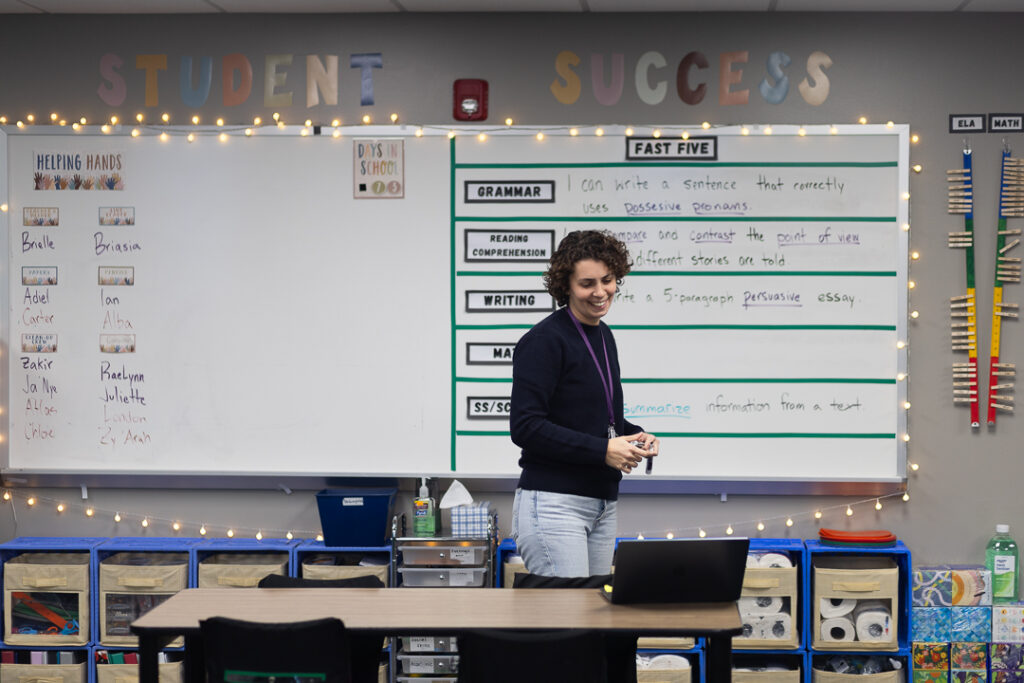
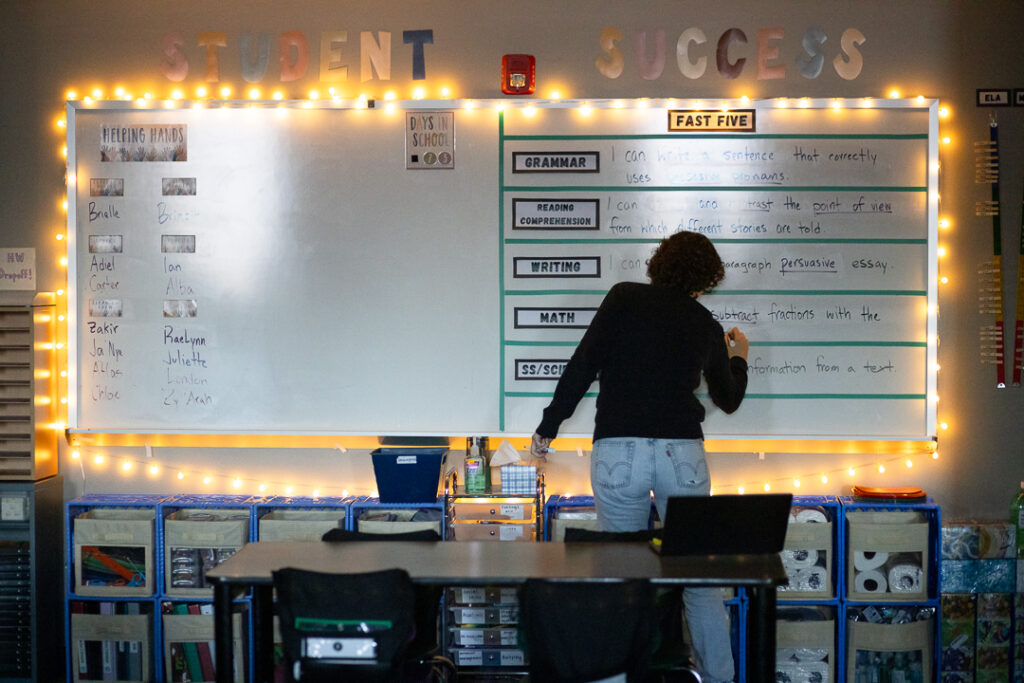
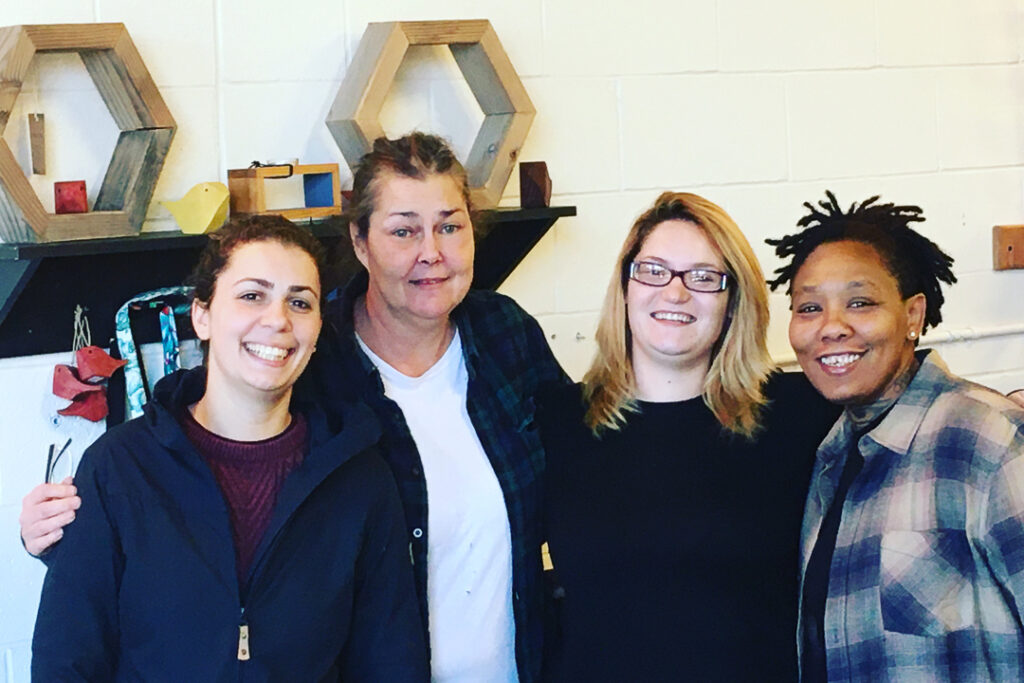
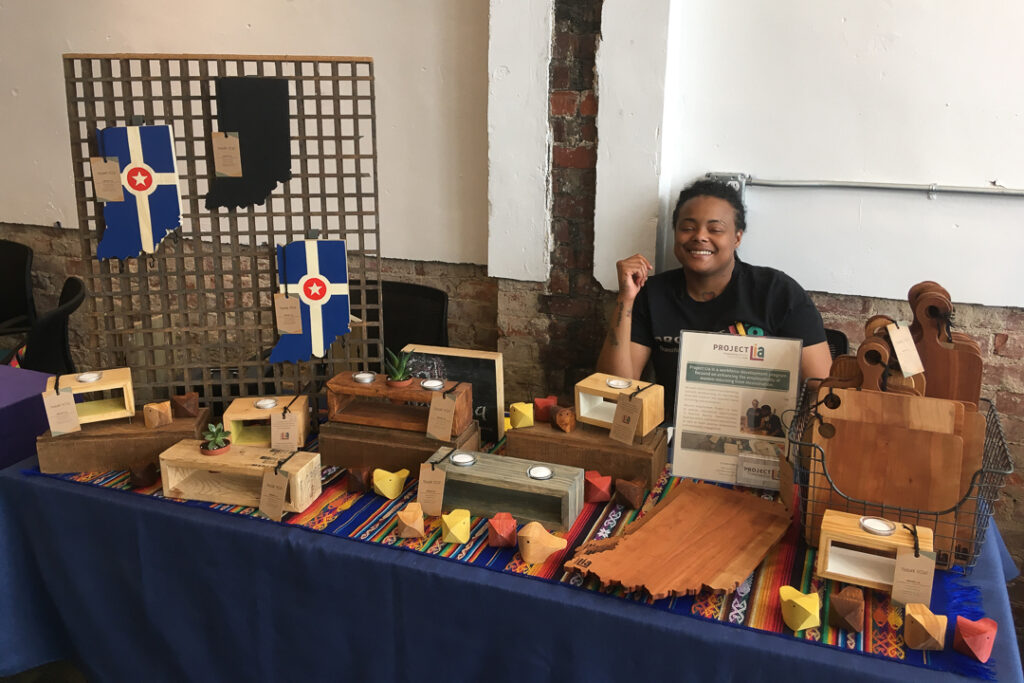
Working with women re-entering from the Indiana Women’s Prison, I witnessed how many barriers they faced, especially when it came to employment.
There was no shortage of conversation around solutions. But I’ve always been a builder. I’m drawn to things in motion, not just ideas.
So I started a nonprofit.
We repurposed discarded materials into home goods and accessories—woodworking, sewing, whatever resources we could gather. It was completely grassroots. We sold products at markets and paid the women to learn skills and create.
But more than anything, it became a lesson in community.
When you invite people into something meaningful, resources start to appear. Someone offers space. Someone donates equipment. Someone makes a connection.
It wasn’t polished. But it was real.
And it taught me this: when you build something with people, not for them, it holds differently.
There’s dignity in that.
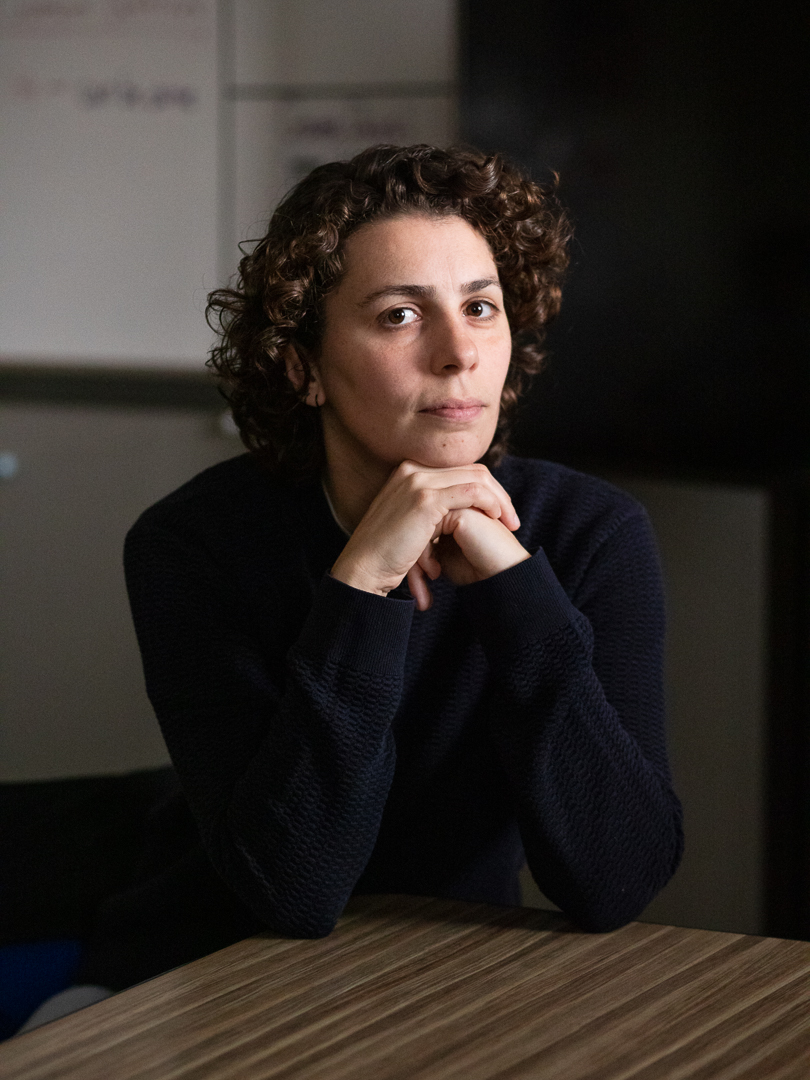
I spent six years building that nonprofit. The goal was simple: create employment and build community around women returning home.
But nonprofits are hard.
Despite small grants and product sales, we couldn’t secure the funding needed to sustain it long-term. Eventually, I had to make the decision to close it.
After that, I joined another nonprofit working with youth impacted by the justice system on environmental issues, a crossroads of a lot of my experience and interests. But leadership changed, the direction shifted, and within a year, I was burned out.
I stepped away and gave myself time to grieve. Six years is a long time to pour yourself into something.
It wasn’t just work I was letting go of—it was identity, community, and a vision I had believed in deeply.
I knew I still wanted to work with people, I just needed a more sustainable way to do it.
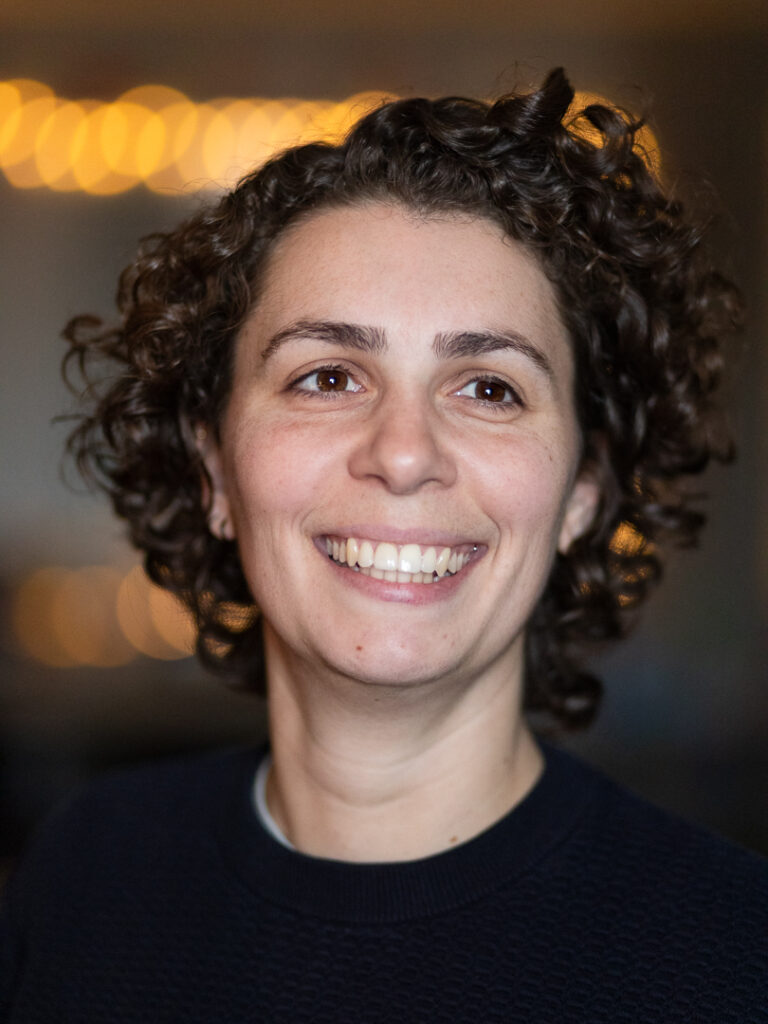
A mentor asked me a simple question: ‘What did you love most about the work you were doing?’
The answer came easily: the people.
Not the systems. Not the politics. The people—the small, everyday moments of connection and relationship.
Around that time, I found Indianapolis Teaching Fellows. What drew me in was the chance to put myself back into a learning environment while being coached. A chance to grow, to be challenged, and to refine how I show up as a leader.
And when I stepped into a classroom, it felt familiar in a way I didn’t expect.
Because teaching, at its core, is the same work.
It asks you to see the person in front of you. Not just their circumstances, not just the narratives that follow them, but their potential.
To believe they are more than what’s been said about them, and more than what they’ve experienced.
Education isn’t just about providing access to knowledge. It’s about fostering and embodying the belief that every person has the capacity to learn, to grow, and to contribute to the world around them.
I once had a student who was already labeled a behavior problem.
He was frequently removed from class for being disruptive, but I knew if I didn’t find a way to keep him in class and disrupt the patterning, his chances of success would erode.
So I began negotiating what success looked like in my own mind and focused on building a relationship with him.
Over time, it became clear that he had already experienced a lot for a nine-year-old. He started to see himself through the lens he’d been given, that he was a ‘bad kid.’
I made it a priority to show up consistently, holding clear boundaries but also making sure he knew I saw more in him than his behavior.
And slowly, things began to shift.
When he made mistakes, he began to care in a different way. Not out of fear, but because he was starting to see himself differently and feel a sense of belonging in the classroom.
His disruptions became less frequent, and with more time in class, he was able to engage more consistently. By the end of the year, he was performing on grade level in both reading and math.
That shift didn’t come from control.
It came from relationship, consistency, and from being part of a space where he could begin to rewrite his own story.
Moments like that remind me why I teach.
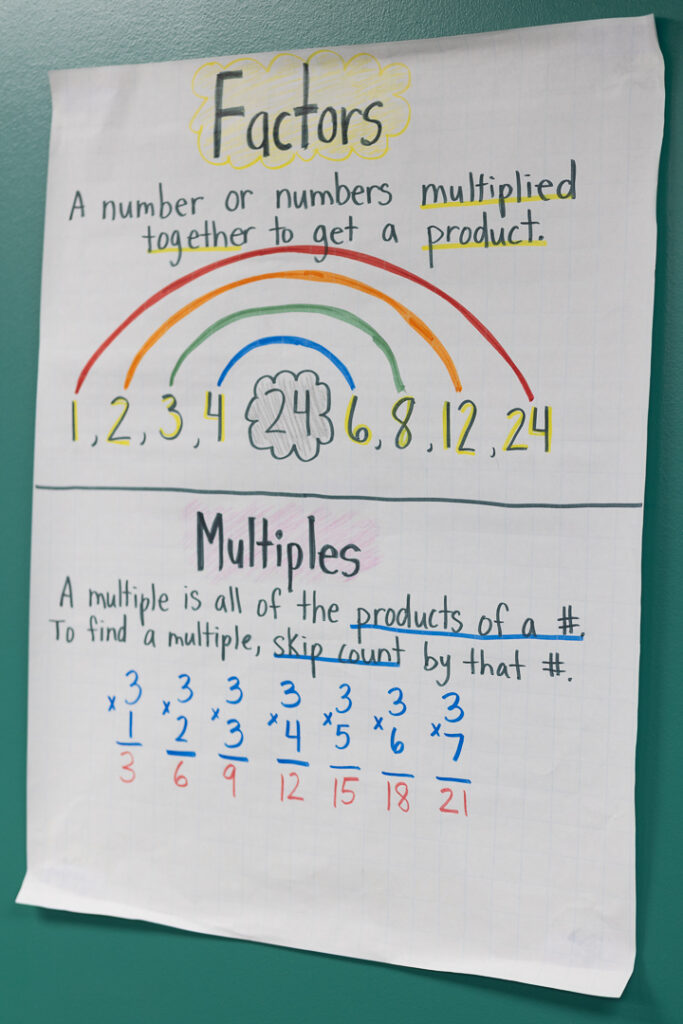
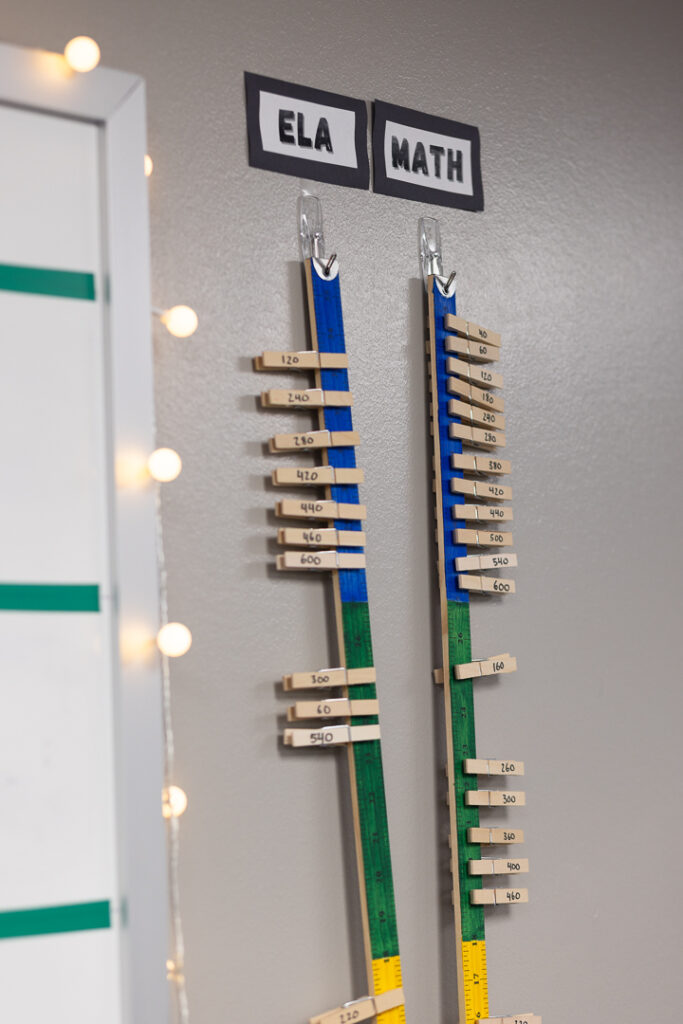
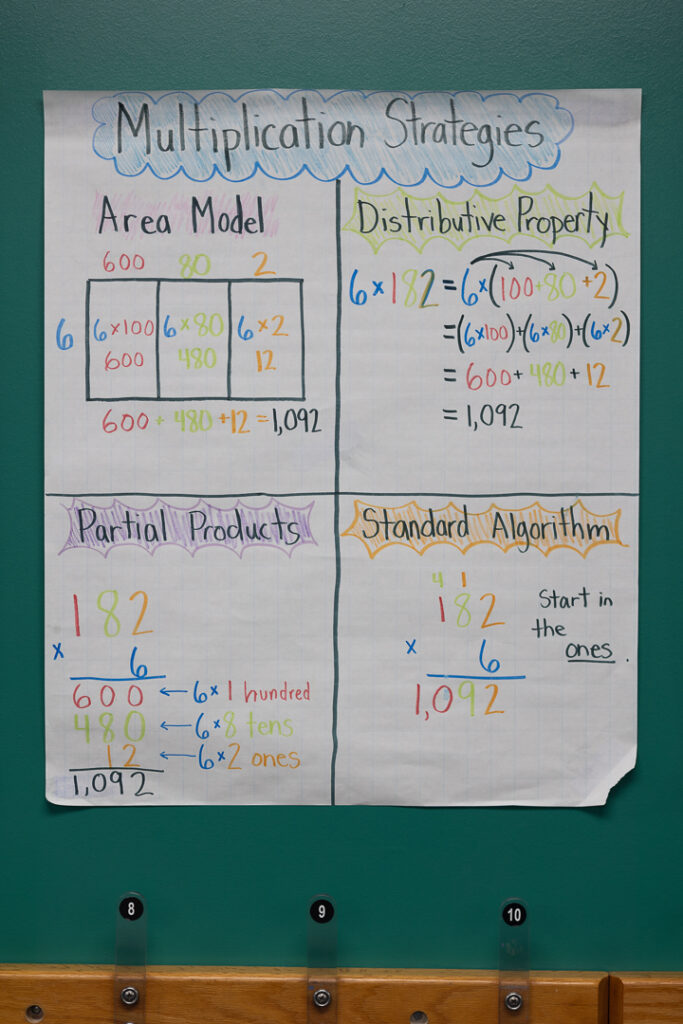
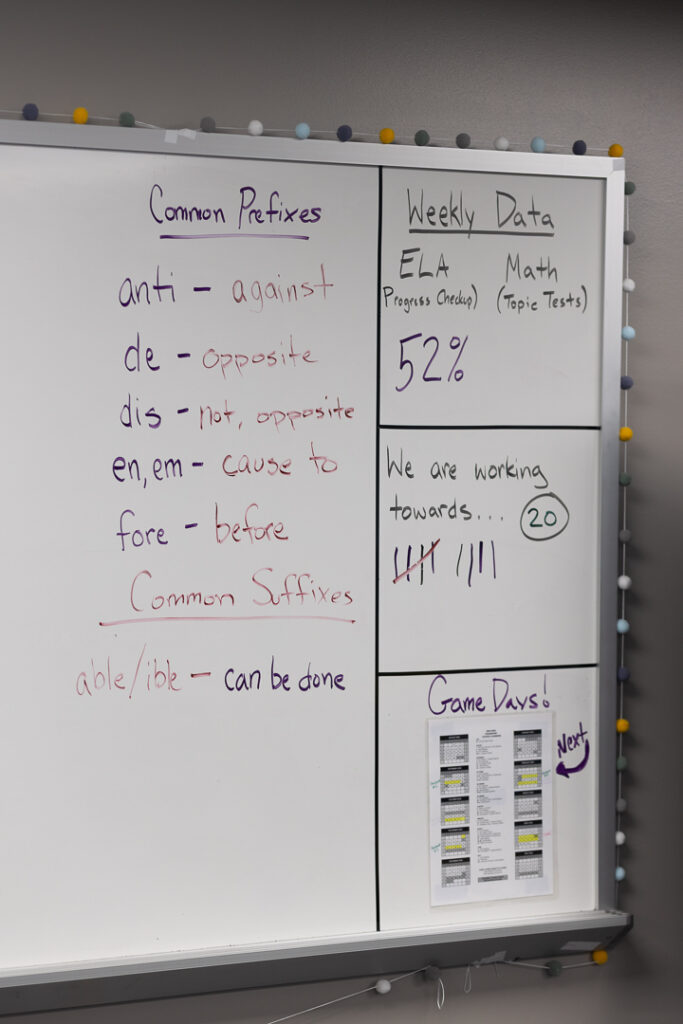
Because the classroom goes beyond academics. It’s a microcosm of society. It’s where students begin to experience what it means to be part of a community, to navigate relationships, and to make sense of themselves within it. In a space like that, a lot of mistakes happen, but so does a lot of growth.
But not every student is given the same space to make mistakes.
Too often, students who are labeled early are pushed out of classrooms instead of pulled deeper into them—removed, suspended, excluded. Over time, those patterns extend beyond school; they begin to shape life trajectories. Consequences have their place, especially for safety and a strong learning environment. But it’s important that philosophy drives practice. And if we want to live in a less punitive world, we need less punitive practices.
We talk about the school-to-prison pipeline like it’s abstract. But it isn’t. It’s built through everyday decisions. In who gets a second chance, and who doesn’t. Who has the opportunity to resolve conflict, and who is left to carry it. And while those moments happen in classrooms, they don’t start or end there. They’re shaped by larger systems—by policy, by resources, by the communities schools are a part of.
Making mistakes is part of learning. It always has been.
While some students are given the chance to learn from them, others are left to live from them, carrying those moments forward as identity, as record, as limitation.
That’s something I think about often as a teacher. Not just how I respond to behavior, but what I’m reinforcing in those moments. Whether I’m contributing to a pattern, or helping interrupt one. Maybe it’s shaped by my own experiences, but it continues to guide how I see education and its role in building a more just, more human world.
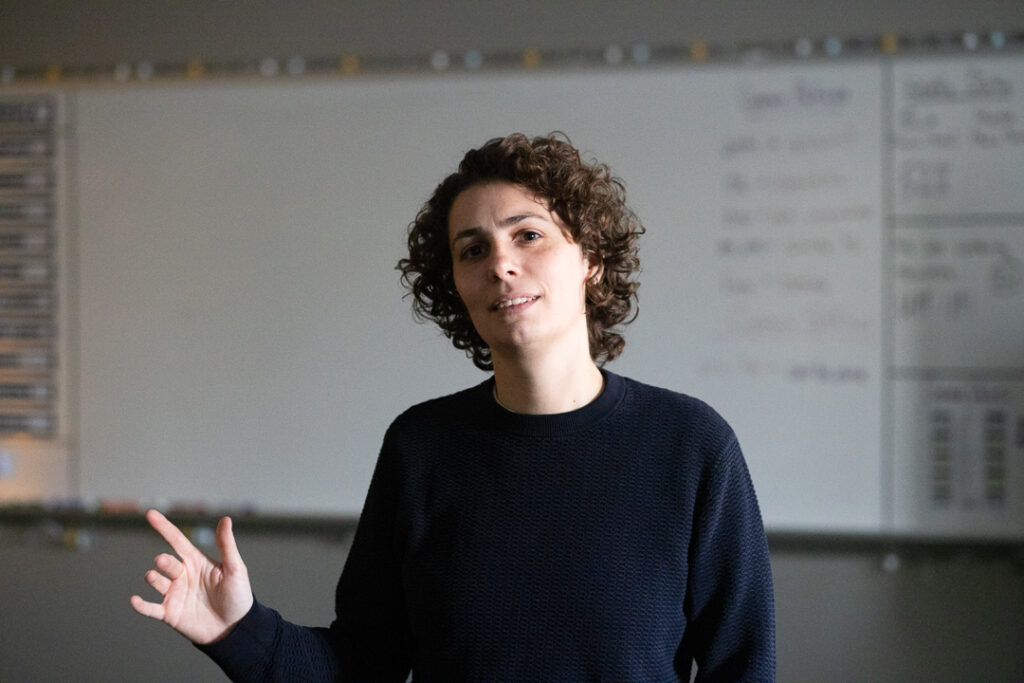
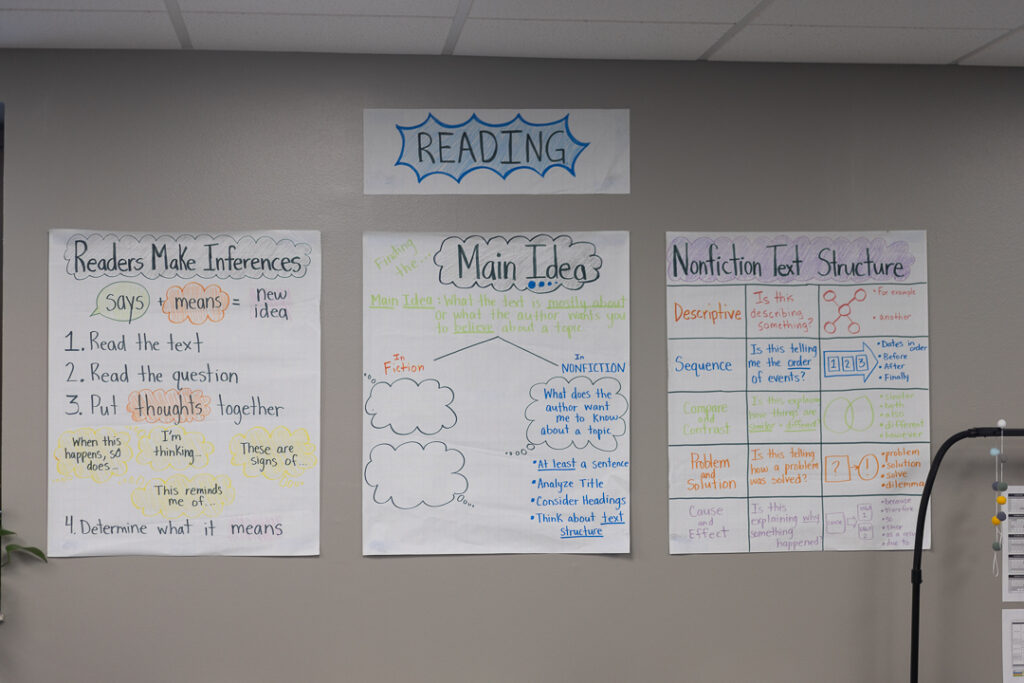
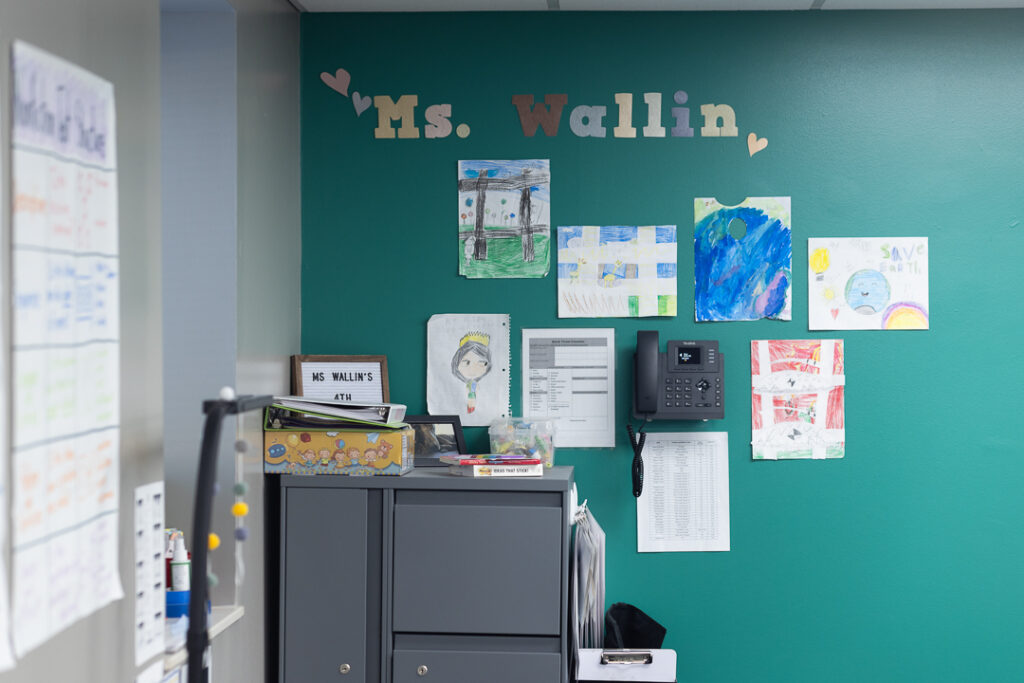
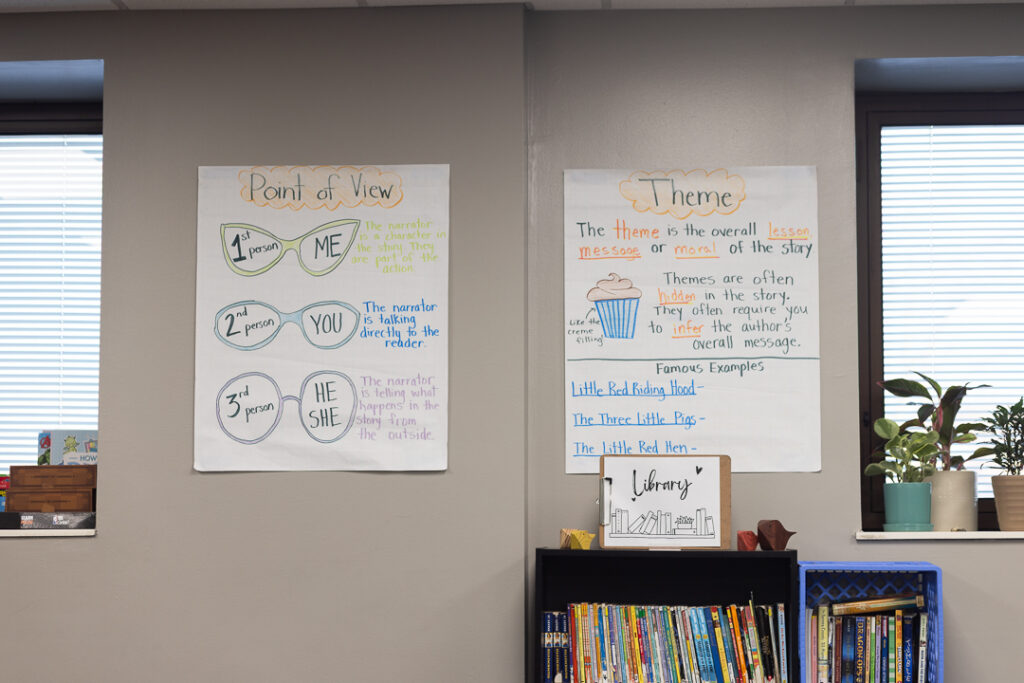
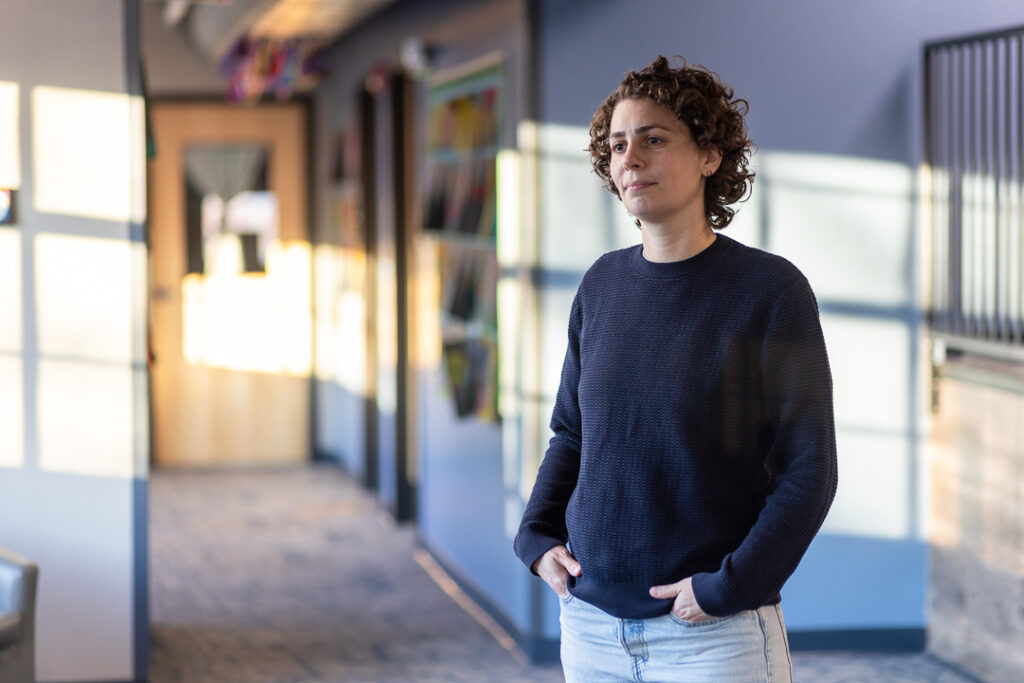
The more time I spend in the classroom, the more I realize that this work isn’t just about what I give to my students. It’s also about what I’m learning from them.
They reflect things back to me I might not have seen otherwise. My assumptions. My reactions. My habits. The ways in which I show up, especially in moments that feel challenging or uncomfortable.
Teaching has a way of making you more aware, if you let it.
It asks you to pause and sit with harder questions. Why did I respond that way? What am I bringing into this space? How do my own experiences shape what I see, and what might I be missing?
Because every student walks into the classroom with their own story. And the way I meet them in that story matters.
My students push me to do that. To confront the parts of myself that are still learning. To notice when I default to what’s familiar instead of what’s intentional.
There’s no finish line with this work. No moment where you’ve fully arrived. Just a continual process of learning, unlearning, and adjusting.
My students are growing every day.
And if I’m doing this right…
I am too.
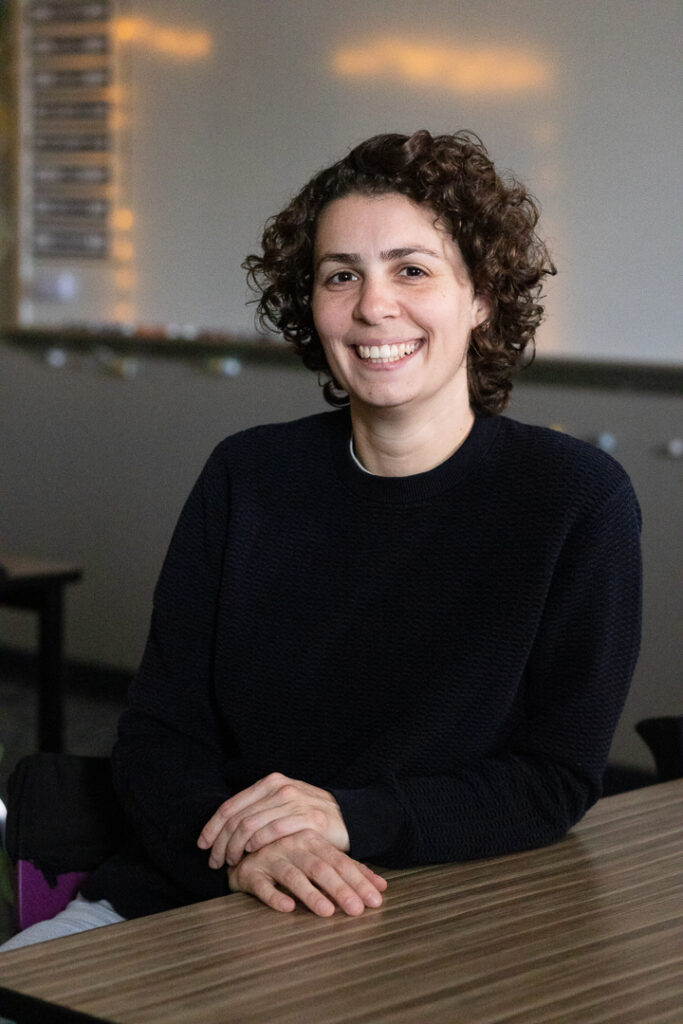
–Elizabeth Wallin
Teacher at Paramount Cottage Home
Indianapolis Teaching Fellows, 2023 Cohort
Indianapolis, IN