Teacher stories, interviews, and videos related to secondary trauma from working with students and families.
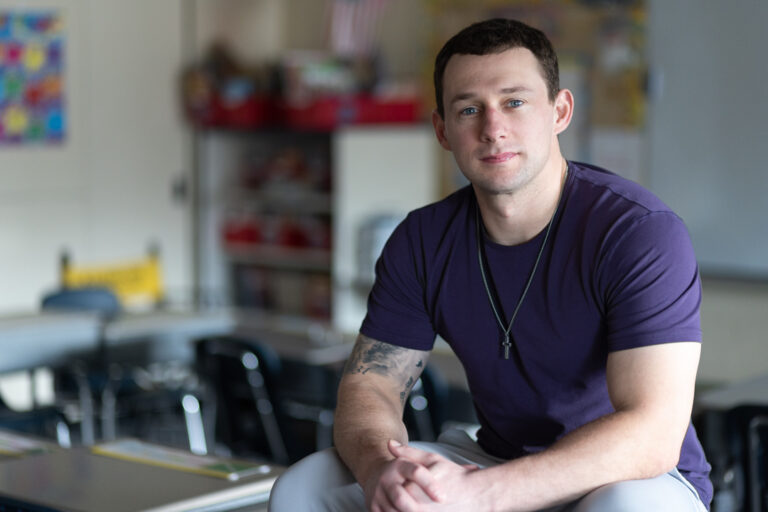
The bulk of my fifth graders are just excited to see me. They want to talk to you in their downtime. They want to sit by you at lunch, and they want you to come to recess with them. That feeling is the driving force that made me become a teacher.
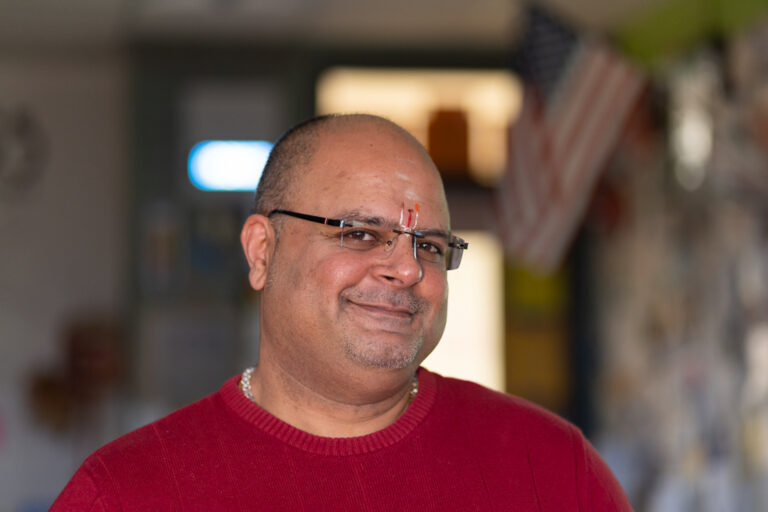
I grew up in Oak Park in the 1980s. People were all about the melting pot. The idea was that everyone is the same and nobody looks different — we're all part of this collective homogenous blob. One of the drawbacks to that was that I was never really seen.
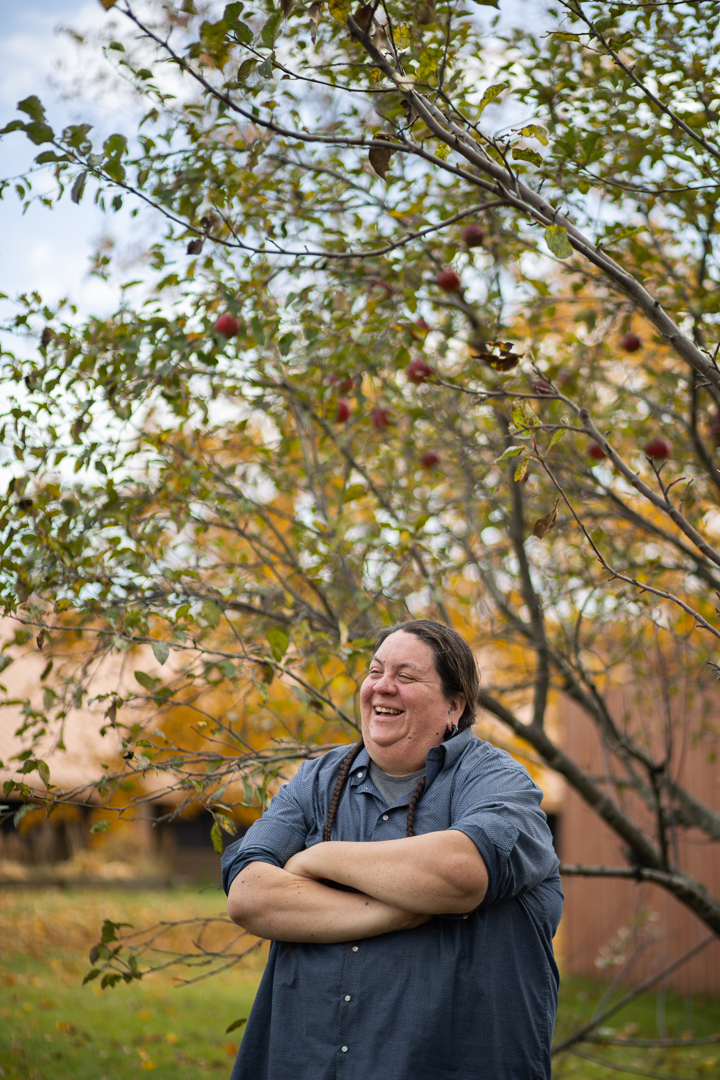
I was full-on ready to be a full-time artist. And then I was invited to be a teacher at a summer institute in Denver, through the Native American Youth Outreach Program. I think it was seeing those kids connect to our traditional arts — part of our cultural inheritance that they had little exposure to before. It was seeing kids connect to our indigenous ways that changed me.
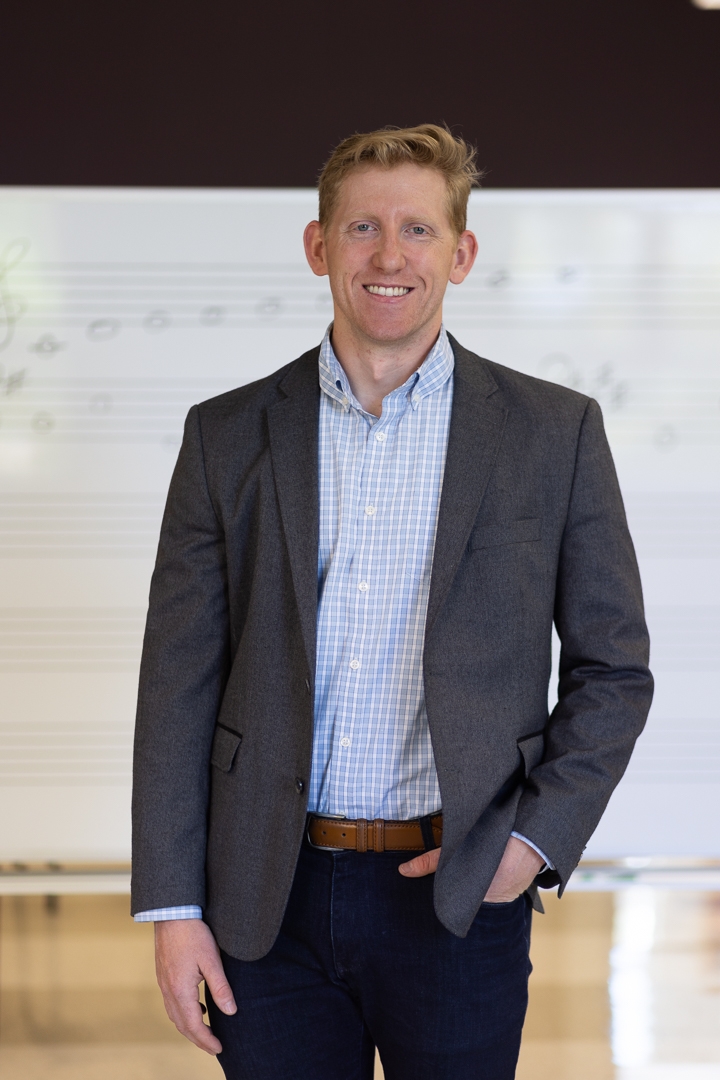
I was the kid who was under the table with a fireman's helmet on, covering his ears because he didn't understand what people were saying. I would get frustrated all the time because I didn't understand multiple syllable words. So in elementary school, I was diagnosed with dyslexia.
My mom taught for 30 years. And after I went to grad school she said, ‘Why don't you get some experience in the city schools?’ I did it, and I haven't left. You get really attached to the work and the students, especially once you see them meet the standards that you help them set for themselves.